
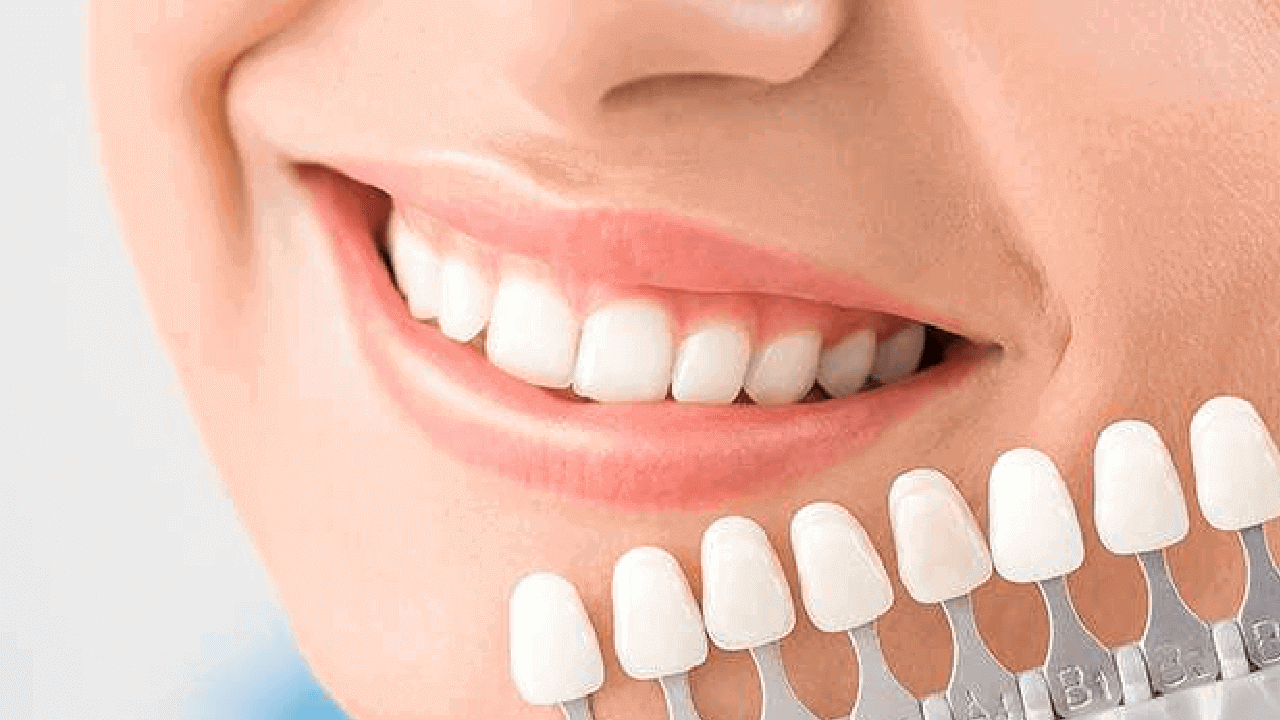
Our Cosmetic Dental Treatments Can Improve Your Smile
Modern cosmetic dentistry in St. Augustine offers advanced techniques designed to improve both aesthetics and function..
Your smile is one of your most powerful assets, and it speaks volumes before you even say a word. Let us help you achieve the smile you’ve always wanted. Our team is committed to delivering personalized, top-quality cosmetic dentistry services that will leave you beaming with confidence.
- Enhance Size, Shape, and Alignment: If you have teeth that are misaligned, irregularly shaped, or uneven in size, we can help create a more harmonious and aesthetically pleasing appearance.
- Close Unattractive Gaps: Unsightly gaps between teeth can be a thing of the past. We can expertly fill these spaces, giving you a more even and attractive smile.
- Improve Bites: Misaligned bites can lead to discomfort and dental issues. Our treatments can help correct these problems, providing you with a more comfortable and functional bite.
- Whiten and Brighten: Stained or discolored teeth can be transformed into a dazzling, radiant white. We offer various teeth whitening options to suit your needs.
- Restore Teeth: Whether you have decayed, broken, cracked, or chipped teeth, we have the solutions to repair and restore your teeth to their former glory.
- Replace Missing Teeth: Don’t let missing teeth hold you back. Our dental implants and other tooth replacement options will give you a complete smile once again.
- Upgrade Old Dental Work: If you have older dental treatments that no longer meet your aesthetic or functional needs, we can replace or upgrade them to better align with your current preferences.
Composite Fillings
A composite (tooth colored) filling is used to repair a tooth that is affected by decay, cracks, fractures, etc. The decayed or affected portion of the tooth will be removed and then filled with a composite filling.
There are many types of filling materials available, each with their own advantages and disadvantages. You and your dentist can discuss the best options for restoring your teeth. Composite fillings, along with silver amalgam fillings, are the most widely used today. Because composite fillings are tooth colored, they can be closely matched to the color of existing teeth, and are more aesthetically suited for use in front teeth or the more visible areas of the teeth.
Reasons for composite fillings:
As with most dental restorations, composite fillings are not permanent and may someday have to be replaced. They are very durable, and will last many years, giving you a long lasting, beautiful smile.
- Chipped teeth.
- Closing space between two teeth.
- Cracked or broken teeth.
- Decayed teeth.
- Worn teeth.
How are composite fillings placed?
Composite fillings are usually placed in one appointment. While the tooth is numb, your dentist will remove decay as necessary. The space will then be thoroughly cleaned and carefully prepared before the new filling is placed. If the decay was near the nerve of the tooth, a special medication will be applied for added protection. The composite filling will then be precisely placed, shaped, and polished, restoring your tooth to its original shape and function.
It is normal to experience sensitivity to hot and cold when composite fillings are first placed, however this will subside shortly after your tooth acclimates to the new filling.
You will be given care instructions at the conclusion of your treatment. Good oral hygiene practices, eating habits, and regular dental visits will aid in the life of your new fillings.
Porcelain Crowns (Caps)
A crown (or cap) is a covering that encases the entire tooth surface restoring it to its original shape and size. A crown protects and strengthens tooth structure that cannot be restored with fillings or other types of restorations.
Although there are several types of crowns, porcelain (tooth colored crown) are the most popular, because they resemble your natural teeth. They are highly durable and will last many years, but like most dental restorations, they may eventually need to be replaced. Porcelain crowns are made to match the shape, size, and color or your teeth giving you a natural, long-lasting beautiful smile.
Reasons for crowns:
- Broken or fractured teeth.
- Cosmetic enhancement.
- Decayed teeth.
- Fractured fillings.
- Large fillings.
What does getting a crown involve?
A crown procedure usually requires two appointments. Your first appointment will include taking several highly accurate molds (or impressions) that will be used to create your custom crown. A mold will also be used to create a temporary crown which will stay on your tooth for approximately two weeks until your new crown is fabricated by a dental laboratory.
While the tooth is numb, the dentist will prepare the tooth by removing any decay and shaping the surface to properly fit the crown. Once these details are accomplished, your temporary crown will be placed with temporary cement and your bite will be checked to ensure you are biting properly.
At your second appointment your temporary crown will be removed, the tooth will be cleaned, and your new crown will be carefully placed to ensure the spacing and bite are accurate.
You will be given care instructions and encouraged to have regular dental visits to check your new crown.
Reasons for a fixed bridge:
- Fill space of missing teeth.
- Maintain facial shape.
- Prevent remaining teeth from drifting out of position.
- Restore chewing and speaking ability.
- Restore your smile.
- Upgrade from a removable partial denture to a permanent dental appliance.
What does getting a fixed bridge involve?
Getting a bridge usually requires two or more visits. While the teeth are numb, the two anchoring teeth are prepared by removing a portion of enamel to allow for a crown. Next, a highly accurate impression (mold) is made which will be sent to a dental laboratory where the bridge will be fabricated. In addition, a temporary bridge will be made and worn for several weeks until your next appointment.
At the second visit, you permanent bridge will be carefully checked, adjusted, and cemented to achieve a proper fit. Occasionally your dentist may only temporarily cement the bridge, allowing your teeth and tissue time to get used to the new bridge. The new bridge will be permanently cemented at a later time.
You will receive care instructions at the conclusion of your treatment. Proper brushing, flossing and regular dental visits will aid in the life of your new permanent bridge.
Teeth Whitening
Teeth Whitening (or bleaching) is a simple, non-invasive dental treatment used to change the color of natural tooth enamel and is an ideal way to enhance the beauty of your smile.
Because having whiter teeth has now become the number one aesthetic concern of most patients, there are a number of ways to whiten teeth. The most popular method is using a home Teeth Whitening system that will whiten teeth dramatically. Since Teeth Whitening only works on natural tooth enamel, it is important to evaluate replacement of any old fillings, crowns, etc. Replacement of any restorations will be done after bleaching so they will match the newly bleached teeth.
Teeth Whitening is not permanent. A touch-up maybe needed every several years, and more often if you smoke, drink coffee, tea, or wine.
Reasons for Teeth Whitening:
- Fluorosis (excessive fluoridation during tooth development).
- Normal wear of outer tooth layer.
- Stained teeth due to medications (tetracycline, etc.).
- Yellow, brown stained teeth.
Porcelain Veneers
Veneers are very thin pieces of durable, tooth shaped porcelain that are custom made (for shape and color) by a professional dental laboratory. They are bonded onto the front of teeth to create a beautiful and attractive smile.
Veneers can completely reshape your teeth and smile. They can often be alternatives to crowns and the ideal solution in treating many dental conditions.
As with most dental restorations, veneers are not permanent and may someday need replacement. They are very durable and will last many years, giving you a beautiful long lasting smile.
Reasons for porcelain veneers:
- Cosmetically, to create a uniform, white, beautiful smile.
- Crooked teeth.
- Misshapen teeth.
- Severely discolored or stained teeth.
- Teeth that are too small or large.
- Unwanted or uneven spaces.
What does getting porcelain veneers involve?
Getting veneers usually requires two visits to complete the process, with little or no anesthesia required during the procedure. The teeth are prepared by lightly buffing and shaping the surface to allow for the thickness of the veneer. A mold or impression of the teeth is taken and a shade (color) will then be chosen by you and the dentist.
On the second visit the teeth will be cleansed with special liquids to achieve a durable bond. Bonding cement is then placed between the tooth and veneer and a special light beam is used to harden and set the bond.
You will receive care instructions for veneers. Proper brushing, flossing and regular dental visits will aid in the life of your new veneers.
Why Choose Jax Dental Arts for Cosmetic Dentistry?
- Experienced Professionals: Our team of skilled dentists and hygienists have extensive experience in cosmetic dentistry, ensuring the best results for our patients.
- Cutting-Edge Technology: We invest in the latest dental technology to provide you with the most advanced and efficient treatments available.
- Affordable Options: We understand the importance of cost-effective solutions, which is why we offer a range of treatments to suit various budgets.
- Personalized Care: We tailor our treatments to your specific needs, ensuring a unique and individualized approach to your smile enhancement.
- Comfortable Environment: Our welcoming and comfortable office space will put you at ease during your cosmetic dental treatments.